Speed helps in almost every sport – a basketball player beating a defender, a soccer player chasing a loose ball, a baseball player stealing second, a volleyball player reacting to a tip.
The good news is that young athletes don’t need a fancy gym to work on speed. A backyard, driveway, park or open hallway, plus a few cones (or water bottles, shoes or paper plates), is enough to get started. Below are five age-appropriate speed drills for young athletes that focus on good form, coordination and fun.
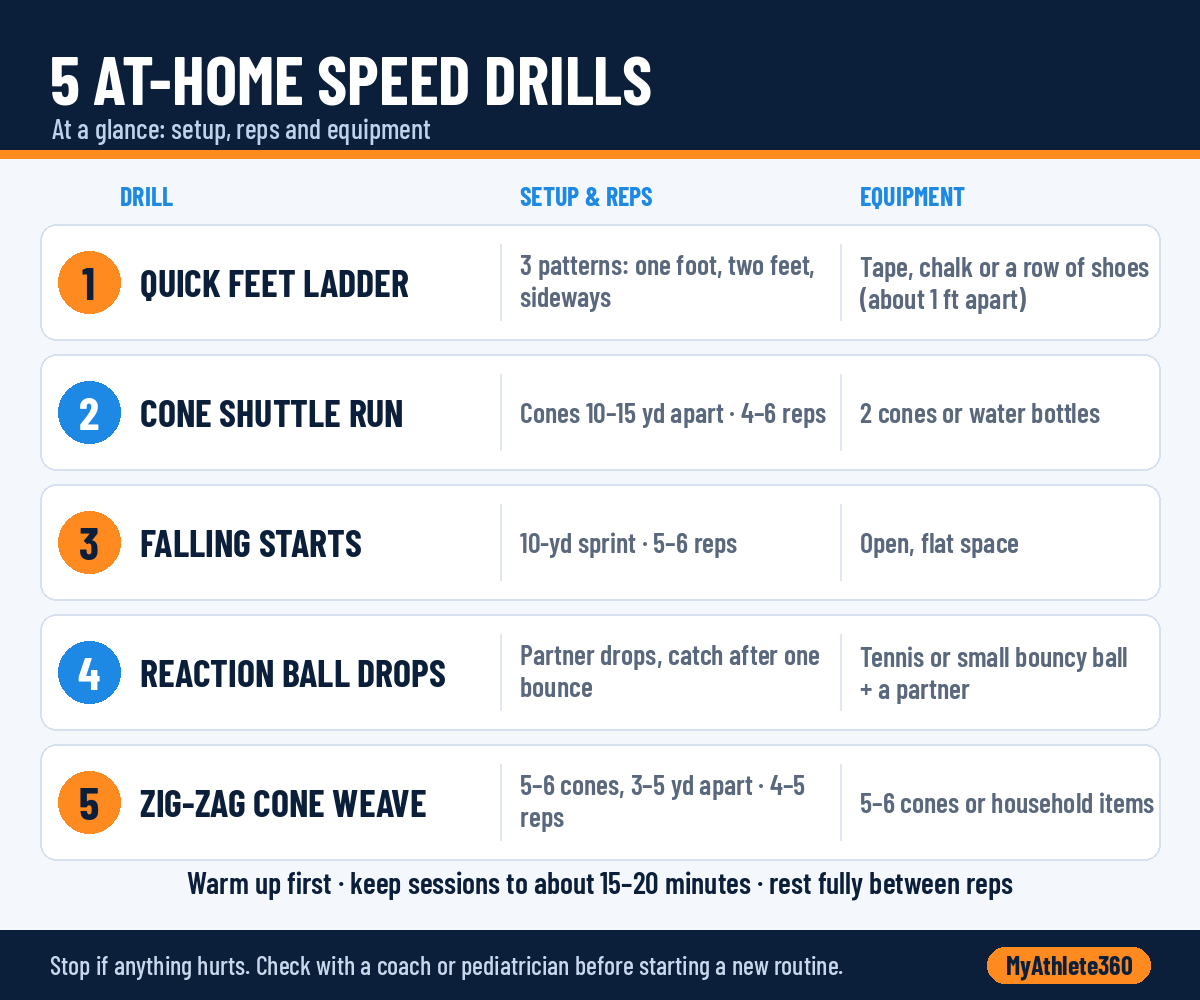
Pick a flat, dry space with no furniture, toys or traffic nearby. Wear proper athletic shoes, not socks or sandals. Spend five minutes warming up with easy jogging, arm circles, leg swings and skipping.
Keep sessions short – about 15 to 20 minutes is plenty – and focus on quality over quantity. When form gets sloppy, it’s time to rest or stop for the day.
Lay out a “ladder” using tape, chalk, or a row of shoes spaced about one foot apart.
Why it helps: It builds foot speed, rhythm and coordination – great for soccer dribbling, basketball defense and tennis-style footwork.
Tip: Stay on the balls of your feet and keep your eyes up, not on your shoes.
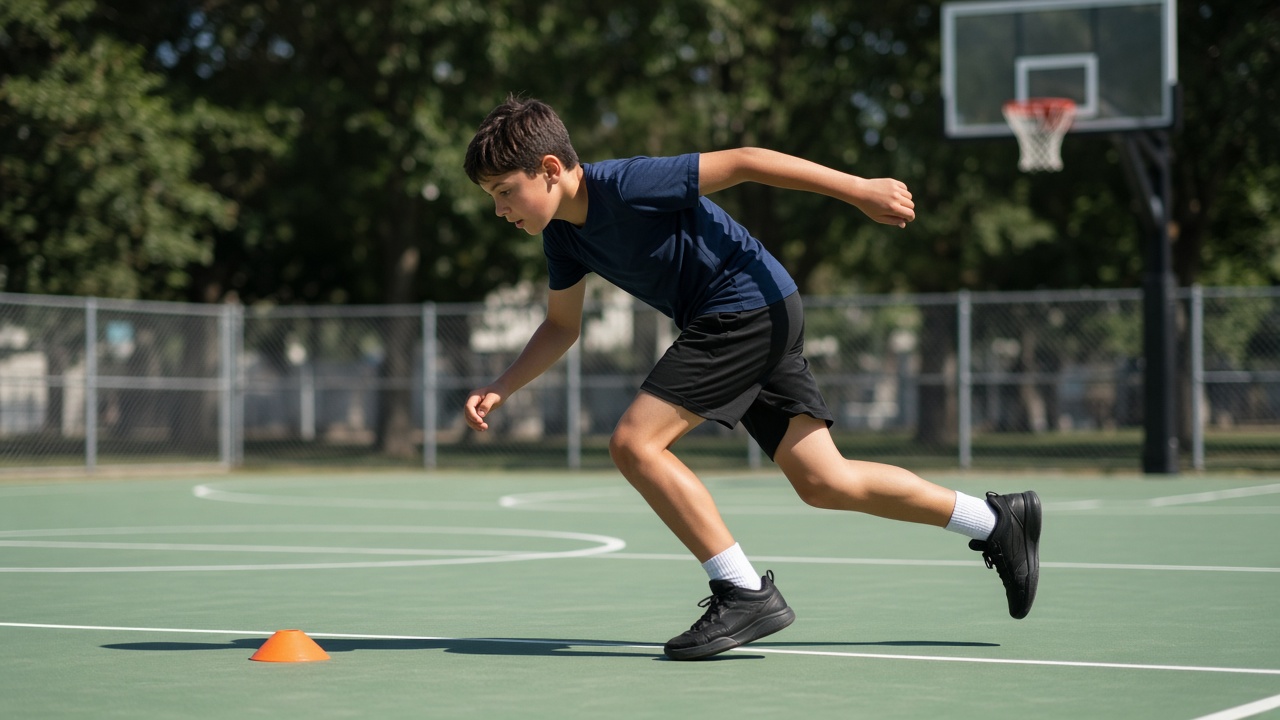
Place two cones (or water bottles) about 10 to 15 yards apart.
Why it helps: Shuttle runs train acceleration, stopping and changing direction – skills used constantly in basketball, soccer and volleyball.
Tip: Bend your knees and lower your hips as you turn. Short, choppy steps help you stop under control.
Stand tall with feet together. Slowly lean forward like a falling tree until you have to step, then explode into a 10-yard sprint.
Why it helps: This drill teaches a strong forward lean and a powerful first step, which matters for track sprinters, baserunners and anyone who needs to get moving quickly.
Tip: Pump your arms hard. Fast arms help create fast legs.
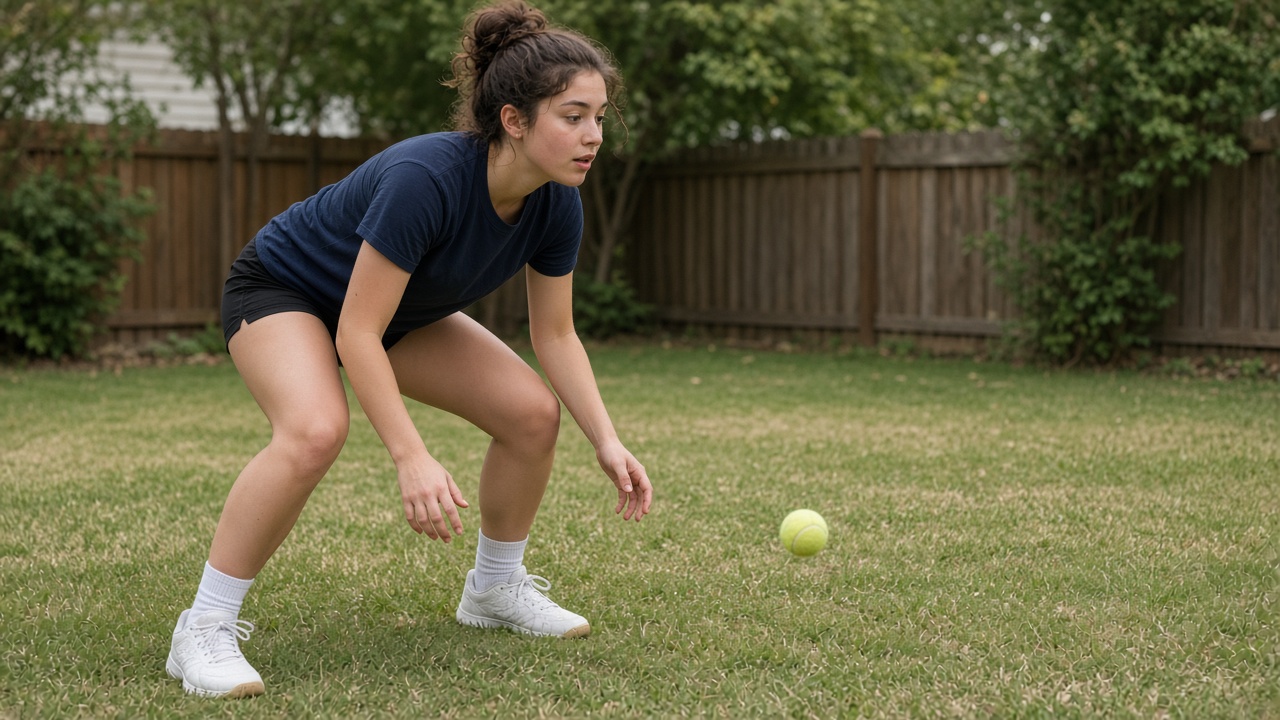
You’ll need a partner (a parent, sibling or friend) and a tennis ball or any small bouncy ball.
Why it helps: It sharpens reaction time and the quick first move used in volleyball, baseball fielding and goalkeeping.
Tip: Start close and move back a step as the athlete gets better.
Set up five or six cones in a zig-zag pattern, each about three to five yards apart.
Why it helps: Weaving builds agility and body control, helping athletes change direction without losing speed.
Tip: Plant on your outside foot and push off to cut. Keep your body low and balanced.
Kids stay motivated when training feels like play. Turn drills into friendly races, time them with a phone, or create a “speed circuit” with all five drills.
Short movement breaks between homework sessions can be a nice reset for student-athletes – and if schoolwork feels heavy, a tutor can help keep grades on track during a busy season.
Every young athlete develops at their own pace. These drills are meant to be light, fun and age-appropriate. Stop if anything hurts, and don’t push through pain. Before starting a new training routine, check in with your child’s coach or a qualified trainer – and talk to your pediatrician if you have any health concerns. A coach can also check form and adjust drills to your athlete’s age and sport.
MyAthlete360 connects athletes and parents with coaches, trainers, tutors and counselors – all in one app on iPhone and Android. Whether your child plays basketball, soccer, baseball, volleyball, runs track or swims, you can find support that fits their goals. We check provider credentials and certifications, so you can browse with more confidence.
Available on iPhone and Android.
