Young athletes spend hours on footwork, free throws, serves and splits. But what they eat and drink in the hours before a game can decide whether they finish strong or fade in the second half.
Good news: there’s no secret diet. Nemours KidsHealth says peak performance doesn’t take a special athlete diet or supplements, just the right foods at the right times. Whether your child plays soccer, volleyball, basketball, baseball, runs cross country or swims, here’s a simple playbook.
The Academy of Nutrition and Dietetics says “timing is everything.” A regular meal needs three to four hours to digest before an event, while a small snack like a granola bar can be eaten 30 minutes to an hour ahead.
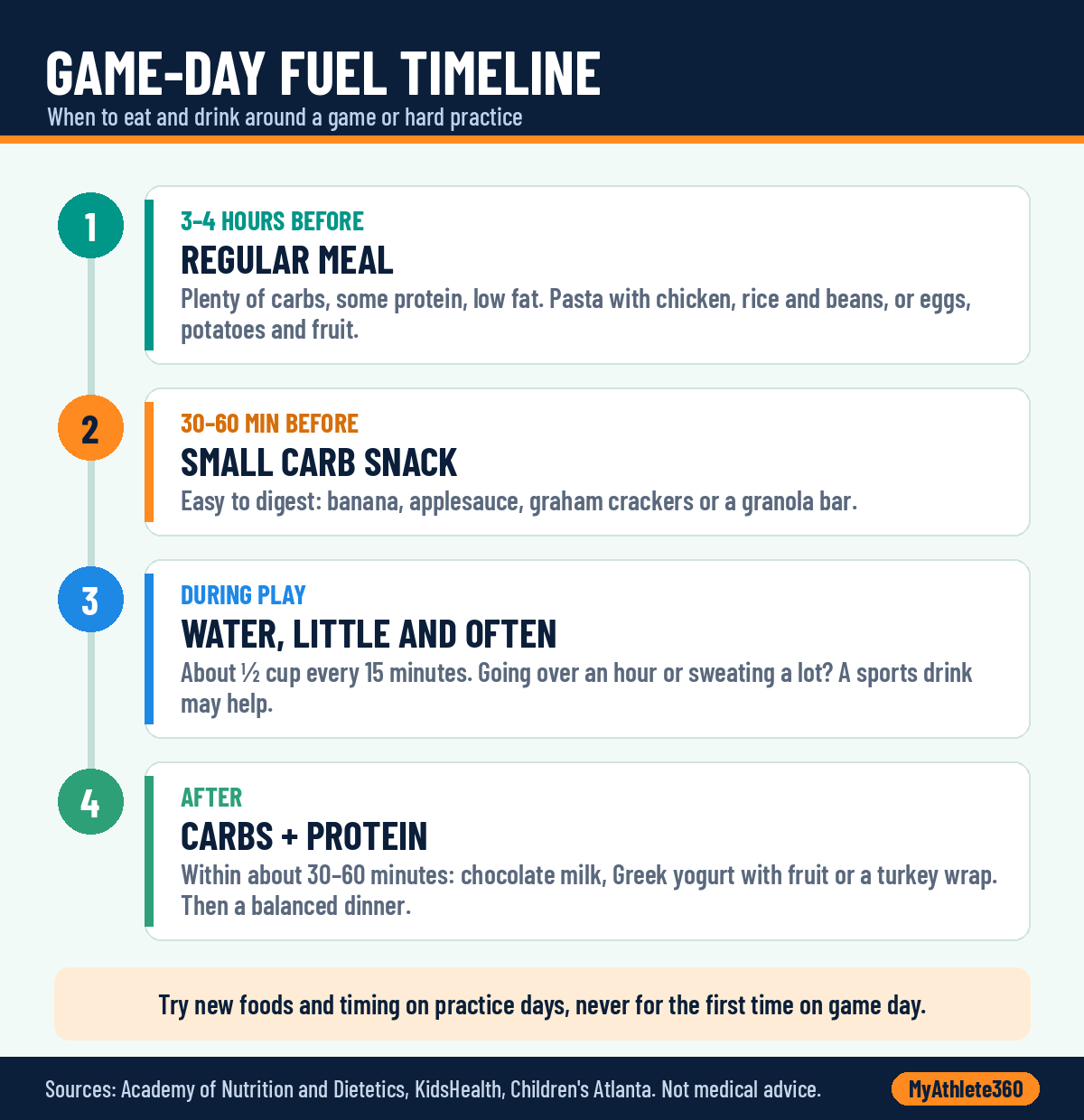
Most practices happen after school, which makes lunch a big deal. The Academy warns against skipping or “light-loading” lunch. Aim for a hearty plate with whole grains, lean protein, fruit, vegetables and dairy. Children’s Healthcare of Atlanta suggests three meals and up to two snacks a day for teens.
A few habits that help:
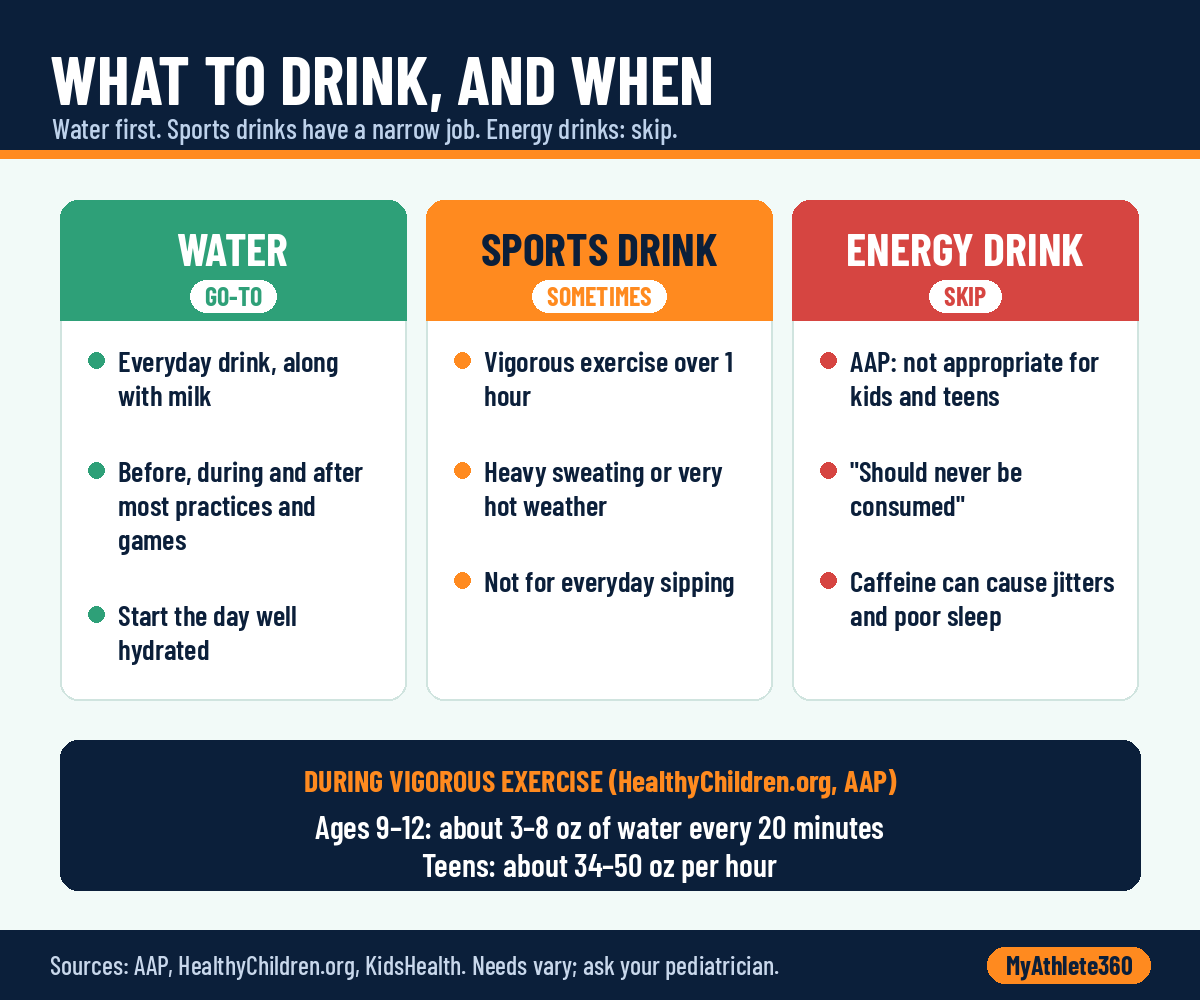
Water comes first. The American Academy of Pediatrics’ HealthyChildren.org calls water, along with milk, the best drink choice for kids. During vigorous exercise, it says kids ages 9–12 generally need about 3–8 ounces of water every 20 minutes, and teens about 34–50 ounces per hour. Needs vary with heat, humidity and the child.
Sports drinks have a narrow job. They can help when vigorous exercise lasts more than an hour or an athlete is sweating a lot. For everyday sipping and shorter practices, water does the job without the added sugar.
Energy drinks are a hard no. The AAP’s Healthy Beverage Quick Reference Guide says energy drinks are not appropriate for children and teens and “should never be consumed.”
Know the warning signs. Thirst, dry mouth, headache, cramps, lightheadedness and dark urine can all point to dehydration. Call your pediatrician with concerns, and get emergency help right away if an athlete becomes confused, very sluggish or unresponsive, vomits, or stops sweating.
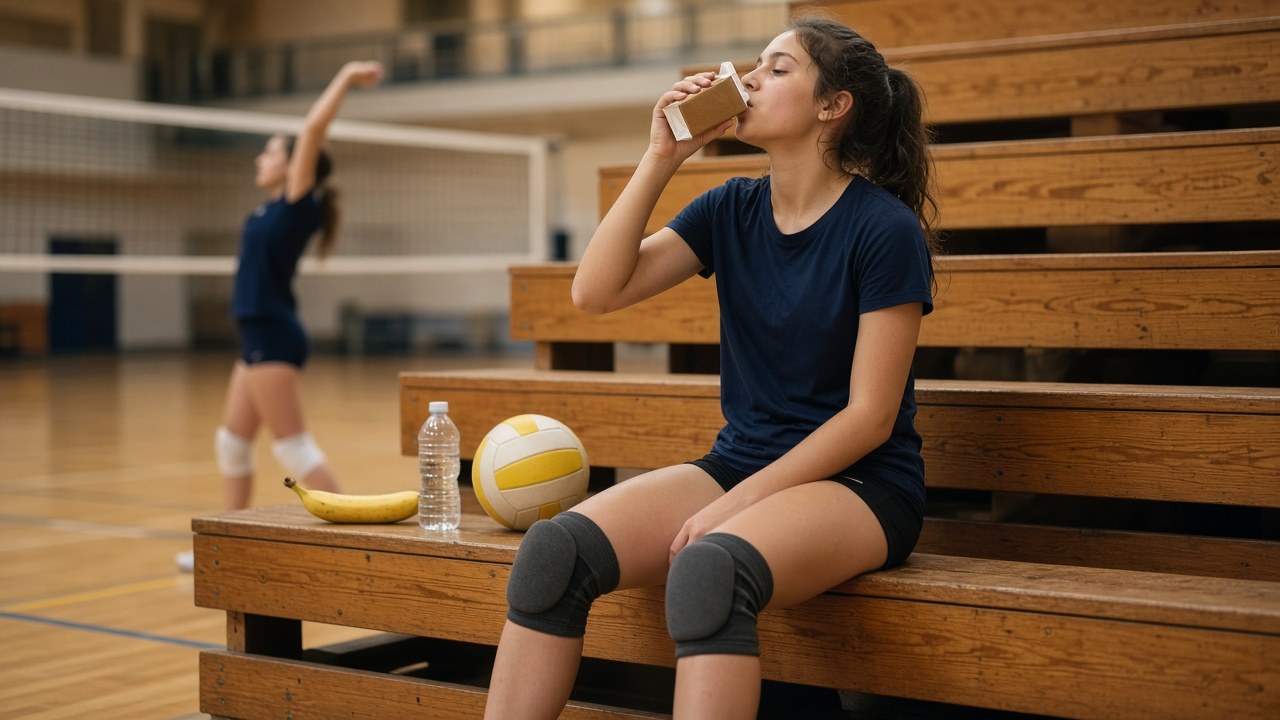
Recovery starts in the parking lot. KidsHealth recommends eating within 30 minutes of intense activity and again about two hours later, with a balance of carbs and lean protein. Easy wins:
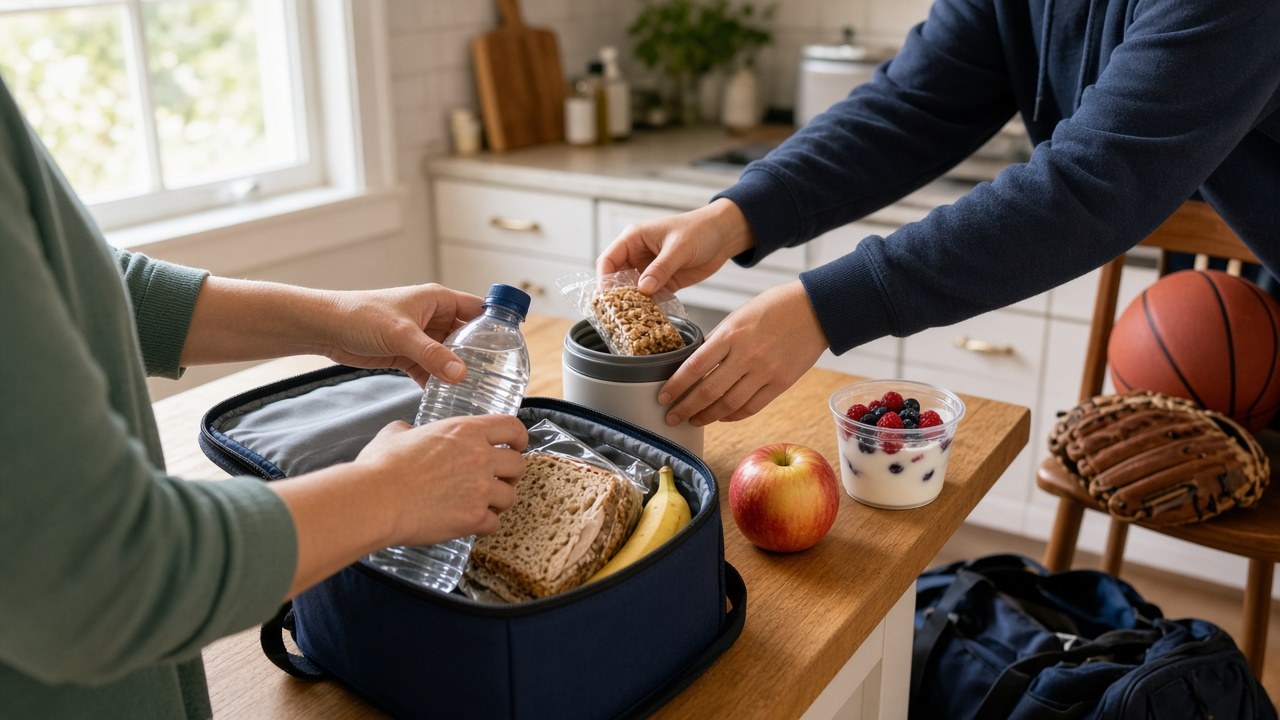
Tournament weekend? Pack a cooler with water, fruit and simple sandwiches, and refill bottles between games instead of hitting the concession stand.
These are general guidelines, not medical advice. Age, sport, weather and health conditions all change what an athlete needs, so check with your pediatrician or a registered dietitian about your child’s plan, especially before any supplements.
Great fuel works best alongside great training. MyAthlete360 connects athletes and families with coaches, trainers, tutors and counselors in one app, and we check provider credentials and certifications so you can choose with more confidence.
Available on iPhone and Android.
